EDS

EDS Academy

Professional Learning

Professional Courses
Daylight Simulations using Grasshopper Tools
Corporate

Daylight Simulations using Grasshopper Tools

An online, on-demand, self-paced course for professionals and students to learn daylight simulation using Rhino + Grasshopper tools and assess compliance with Green Building rating systems

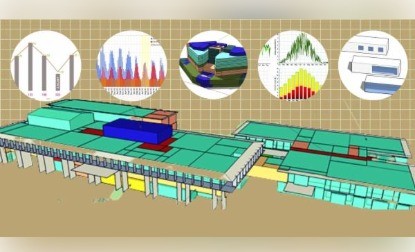
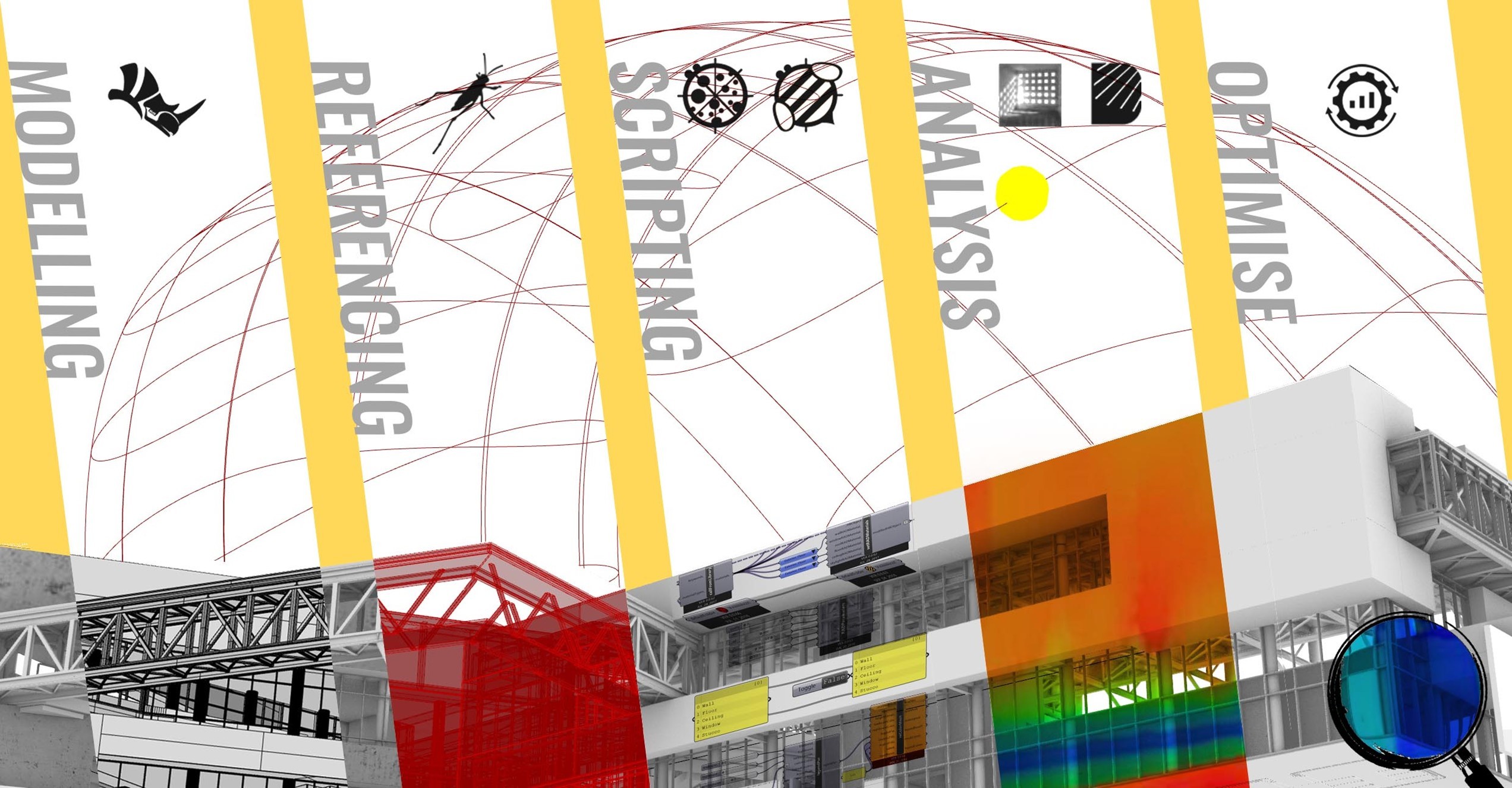
In this self-paced course, you will be able to explore computational tools to model, assess and optimize the daylight within buildings. You will learn basic Rhino 3D modeling, daylight simulation script-building in Grasshopper, validating daylight compliance with LEED and ECBC while optimizing strategies for enhanced daylight performance. 

Learning Objectives -

  • Explain daylight metrics with confidence

  • Work with the computational tools – Grasshopper with Rhino

  • Have know-how of environmental plug-ins (Ladybug and Honeybee)

  • Understand the impact of materials and RAD parameters on daylight performance

  • Understand the daylight simulation script in Grasshopper

  • Execute simulations for Daylight Factor, Point-in-time, and Annual Daylight Illuminance

  • Execute compliance with LEED and ECBC daylight requirements

  • Assess design parameters for improved daylight performance

Program Takeaways -

  • Develop skills of working with computational tools for daylight analysis

  • Validate design for compliance with LEED and ECBC

  • Technical knowledge of Rhino and Grasshopper - parametric environmental design tools

  • Copy of all course materials

Program Format -

  • Self-paced videos lessons for deeper understanding of the software 

  • Weekly assignments to apply the concepts

This Program is designed for -

  • Any professional involved in designing buildings

  • Architects, green building consultants

  • Students studying architecture or related discipline

  • Faculty teaching architecture or related discipline

Note: This course is compatible with Rhino & Grasshopper 7, Ladybug 0.0.67 and Honeybee 0.0.64 [Legacy Plugins], Radiance 5.3, Daysim 4 and OpenStudio 2.8 version.

Daylight GH
₹8000
LEED AP: BD+C Exam Preparation (Corporate)
Corporate

LEED AP: BD+C Exam Preparation (Corporate)

This online course will help you prepare for the LEED AP: BD+C Exam in an effective manner with the confidence to ace the exam on the first attempt. This course converts the complex and voluminous content that is actually required to study for the Exam into a format that is concise, easily comprehensible and engaging.

A LEED Accredited Professional (AP) credential distinguishes those with advanced knowledge in green building, plus expertise in a particular LEED rating system. The LEED AP in Building Design and Construction (BD+C) specialty suits professionals with expertise in the design and construction phases of green buildings, serving the commercial, residential, education, and healthcare sectors. It is also suitable for students who want to start a career in the green building industry.

LEED AP: BD+C Exam Preparation (Corporate)
₹8000

LEED Green Associate Exam Preparation
Corporate

LEED Green Associate Exam Preparation

An online, on-demand, self-paced course for professionals and students to prepare for LEED Green Associate Exam.This self-paced course will help you prepare for the LEED Green Associate Exam in an effective manner with the confidence to ace the exam. The content is concise and structured such that it is easy to follow.

LEED or Leadership in Energy and Environmental Design is the most widely used green building rating system in the world. A LEED credential denotes proficiency in today’s sustainable design, construction and operations standards. Passing a LEED exam sets you apart from the pack by validating your field expertise.

After successful purchase, this item would be added to your courses.

You can access your courses in the following ways :

  • From Computer, you can access your courses after successful login.
  • For other devices, you can access your library using this web app through browser of your device.

GA
₹6500
Corporate In-Person Program : LEED Green Associate Exam Prep
Corporate

Corporate In-Person Program : LEED Green Associate Exam Prep

LEED Green Associate Exam Prep
₹1
Climate Analysis
Corporate

Climate Analysis

Climate Analysis
₹1500
Renewable energy 101 - Future Potential, Technologies and Policies
Corporate

Renewable energy 101 - Future Potential, Technologies and Policies

This course is approved for 1 GBCI Continuing Education (CE) credits.

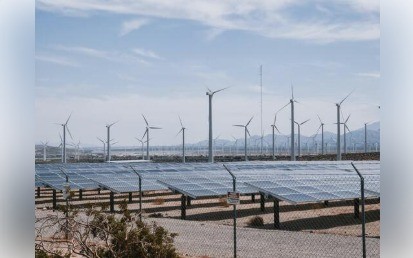
This course does a 360 degrees appraisal of 10 different RE technologies- diving into design requirements, applications, challenges, and zooms out to assess their global potential. Renewable energy has grown to 10.4% of the global energy mix with solar photovoltaic and wind emerging as the most preferred new energy installation types.   

Anybody keen on gaining a comprehensive overview of RE in the global context will find this course informative and insightful. 

At the end of the course, you will be able to recognize different RE installations, their design criteria as well as challenges involved. You will be able to critically examine policy measures supporting the rapid transition to RE across the world. 

After successful purchase, this item would be added to your courses.

You can access your courses in the following ways :

  • From Computer, you can access your courses after successful login
  • For other devices, you can access your library using this web app through browser of your device.

Renewable energy 101 - Future Potential, Technologies and Policies
₹1500
Green Conversations: ITC Mudfort
Corporate

Green Conversations: ITC Mudfort

This course is approved for 1 GBCI Continuing Education (CE) credits.

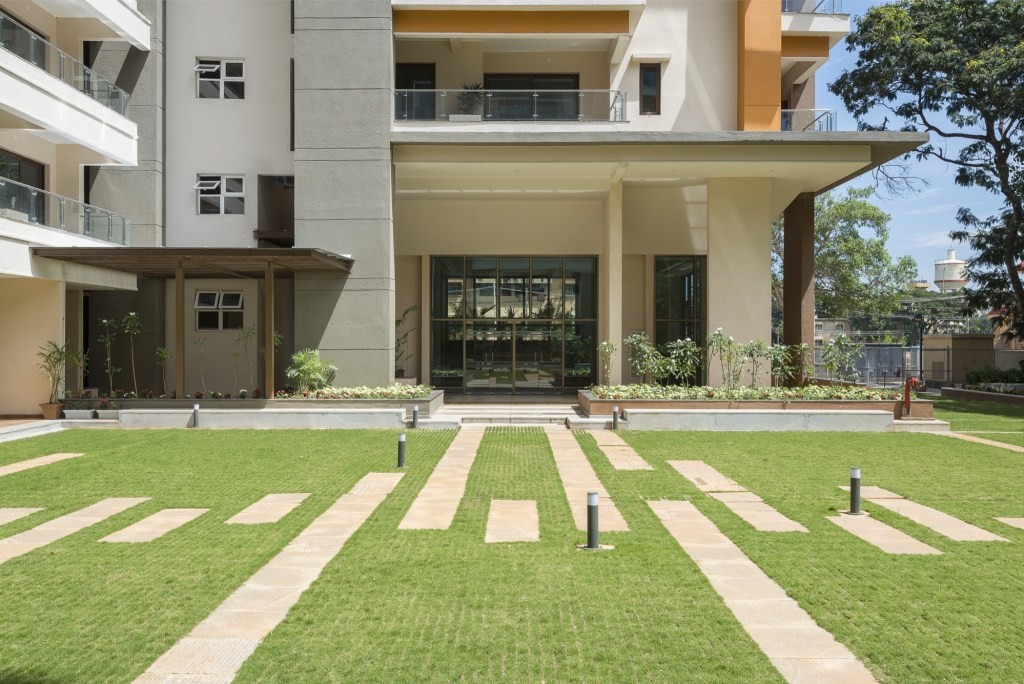
ITC Mudfort is a thoughtfully-designed 10-story residential complex for ITC's senior management, spread over 213,613 sq. ft. in Jeevanhalli, Bangalore. It is a GRIHA 5 star rated and IGBC Green Homes Platinum certified building. Despite being in a dense urban fabric, this project shows how climate responsive design can still be achieved for contemporary buildings with a creative and integrated approach. The webinar features the client, the architect and the green building consultants for the project, in a discussion about the design approach, strategies, and challenges behind it. It explored key aspects of the project, like why the designers opted for high-rise development in the middle of a predominantly low-rise neighborhood, the unusual decision to go for two different green building certifications and its low energy demand even with the less-than-favorable site orientation.

After successful purchase, this item would be added to your courses.

You can access your courses in the following ways :

  • From Computer, you can access your courses after successful login
  • For other devices, you can access your library using this web app through browser of your device.

Green Conversations: ITC Mudfort
₹1500
Green Conversations-UNNATI
Corporate

Green Conversations-UNNATI

This course is approved for 1 GBCI Continuing Education (CE) credits.

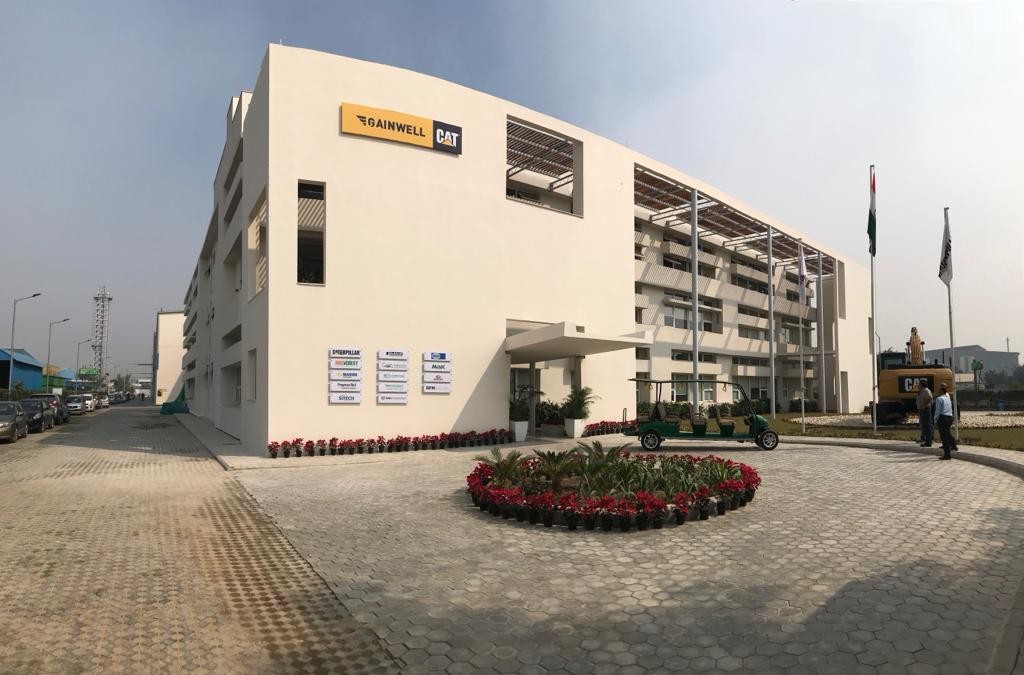
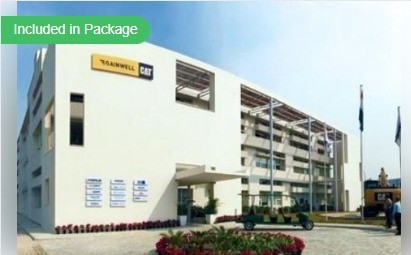
UNNATI is an office building for the heavy machineries and construction equipment company - GAINWELL CAT located in Delhi. The building design is an example of how climate responsive architecture is integral in achieving energy efficiency in a composite climate. It is also the 1st building in Asia and 7th in the world to receive Platinum certification under LEEDv4 BD+C rating system. This webinar features the architect – Mr. Ashok Lall (Owner, Ashok B Lall architects), the MEP consultant – Mr. Vevaik Mahajan (Managing Director, UEDC) and the green building consultant – Ms. Mariyam Zakiah (Senior Green Building Analyst, EDS) in a conversation about the thought process, design approach, strategies and challenges in bringing this project to life.

After successful purchase, this item would be added to your courses.

You can access your courses in the following ways :

  • From Computer, you can access your courses after successful login
  • For other devices, you can access your library using this web app through browser of your device.

Green Conversations-UNNATI
₹1500
Daylighting 103: Design Guidelines
Corporate

Daylighting 103: Design Guidelines

This course is approved for 1 GBCI Continuing Education (CE) credits.

Using daylight in buildings is a key strategy for passive design. Efficient daylighting schemes help achieve comfort by offering optimum illumination, excellent color-rendering; avoiding glare and excessive brightness ratios which has a positive impact on occupant health and well being.

This course will discuss strategies that are necessary to be implemented during conceptual design to integrate the right elements for daylighting. These are simple yet very important elements that need to be decided at the very beginning to steer the design in the right direction. For example, carefully orienting the building for solar access, and controlling the quality and quantity of light as it enters inside a space.

Since most of the light that enters buildings is through windows and skylights, comprehending the set of strategies for effective fenestration design would make one’s job easier at the early design stage. These thumb-rules do not require many calculations but it does impact the overall building form, volume and space planning. This course also enumerates many interesting projects that showcase the successful integration of daylight for enhancing the character of a space.

The entire lecture is structured in 7 modules with highly visual and engaging content.  At the end of the course, you will walk away with knowledge that you can apply in your work.

After successful purchase, this item would be added to your courses.

You can access your courses in the following ways :

  • From Computer, you can access your courses after successful login
  • For other devices, you can access your library using this web app through browser of your device.

Daylighting 103: Design Guidelines
₹1500
Daylighting 102: All About Glass
Corporate

Daylighting 102: All About Glass

This course is approved for 0.5 GBCI Continuing Education (CE) credits.

Glass is an important building element that brings daylight in a space. All-glass buildings are a common scenario in most parts of the world. Extensive use of glass results in excessive light and heat ingress which not desired for a well designed comfortable space. A balance between heat and light gain can be achieved by selecting the right kind of glass.

While all glass might look the same, its specifications have a significant impact on daylighting. When you learn about glass, you have to learn about heat ingress as well in addition to daylight. Awareness of the properties of glass and its technical specifications will help in selecting the right kind of glass for an application.

This course covers technical terms in the most simple, clear and interesting manner. Examples given in the course correlate with the real world. The next time you look at glass clad buildings, you will know what is going on in there..

The course comprises of 6 lectures in video format and a quiz to be taken at the end of the course. There are simple and interesting exercises within the lectures that help you understand the concepts effectively and keep you engaged. At the end of this course, you will be able to select the right glass for a given building. You will be able to read the technical catalog comfortably and can have a scientific conversation about glass selection.

This is the second course in the Daylighting series. Although not required, I recommend that you take the the first course – Daylighting 101 : Technical Terms to gain a holistic understanding of 'Daylighting'.

After successful purchase, this item would be added to your courses.

You can access your courses in the following ways :

  • From Computer, you can access your courses after successful login
  • For other devices, you can access your library using this web app through browser of your device.

Daylighting 102: All About Glass
₹1500
Daylighting 101: Technical Terms
Corporate

Daylighting 101: Technical Terms

This course is approved for 0.5 GBCI Continuing Education (CE) credits.

Adequate daylighting is a key aspect of good building design. Quantity as well as quality of daylight has an impact on the visual comfort of the space. A good design will ensure a balance between both. Before diving into the design strategies, it is important to understanding the fundamentals which is a bit of a technical subject..

This course is primer on daylighting. It covers technical terms in the most simple, clear and interesting manner. Examples given in the course correlate with the real world. So the next time you look at daylight, you shall be able to describe it using technical terms with ease. 

The course comprises of 5 lectures with 40 minutes of video content and a quiz to be taken at the end of the course. There are simple and interesting exercises within the lectures that help you understand the concepts effectively. It will take you about 50 minutes to complete the course. 

At the end of this course, you will have complete clarity of the technical terms required to understand key concepts of daylighting and use technical language with confidence. You will able to understand design strategies with much ease after completing this course.    

After successful purchase, this item would be added to your courses.

You can access your courses in the following ways :

  • From Computer, you can access your courses after successful login
  • For other devices, you can access your library using this web app through browser of your device.

Daylighting 101: Technical Terms
₹1500
Psychrometry And Green Buildings
Corporate

Psychrometry And Green Buildings

This is 'Week 1: Climate Analysis' Course

Climate responsive design is a 5-week online certificate program to learn analytical techniques, software tools and framework with clarity of fundamentals to design a climate-responsive building.

The fundamental of green building design is to respond to climate and sun. A good handle over the psychrometric chart and the sun path diagram is essential to design green buildings. Psychrometric charts are commonly used by mechanical engineers for designing air conditioning systems. But it has great potential to be used as a building design tool beyond the engineering concepts. Climate variables are better understood if there is clarity on the core concepts of psychrometry.

This course will show how pyschrometric charts can be used by Non-engineering professionals as a tool to derive passive design strategies. This is a primer on understanding climate and its application in building design. 

The chart used in the course is in the metric system (SI units). Even if you are familiar only with the IP system of units, you will still be able to follow through all the concepts in the course. 

The course is organized in two section with a total of 7 lectures and 1 hour of video content. At the end of the first section, you will be confident is using the psychrometric chart. By the end of the second section, you will understand how to correlate its application to derive passive design strategies. 

This is very hands-on and interactive course. There are several examples and exercises scattered throughout the course that will ensure you understand the concepts. At the end of the course, you will be confident to use this simple chart as a powerful design tool during early design stage. This is a direct take-away from the course. 

After successful purchase, this item would be added to your courses.

You can access your courses in the following ways :

  • From Computer, you can access your courses after successful login
  • For other devices, you can access your library using this web app through browser of your device.

Psychrometry And Green Buildings
₹1500
Shading Mask
Corporate

Shading Mask

This course is approved for 1 GBCI Continuing Education (CE) credits.

The first step in passive solar design process is to determine solar access for a building and site. This will help designers determine strategies to control daylight and heat gain. Shading mask diagrams are very resourceful tools to determine solar access. This course will equip you to read and create shading masks so that you can use them in your design process.

A shading mask is a representation of the sky as viewed from a reference point, indicating the portion of sky that is visible and obstructed. Access to sky means access to daylight. When combined with a sunpath diagram, solar access can be determined. This makes the shading mask diagram a nifty tool for designing passive solar buildings. Additional data such as solar insolation, relative humidity etc can further be overlapped on the sunpath diagram making this a very interesting design tool. This course will ensure you have a thorough understanding of the concept of shading mask and equip you to read the diagram.   

Further, the course includes a tutorial that shows how you can create a simple DIY shading mask kit inorder to create diagrams on your own. Software that can be used to create shading mask is also shared. 

A separate module on the application of shading mask as design tool walks you through some of ways this tool can be used. Design decisions such as the size of shading devices, the right orientation of buildings, identification of the location for solar renewable systems, determining the height of building forms at a master plan level and many others can be informed using this simple tool.

This course is designed in a highly engaging content giving you a learning experience that’s comprehensive and fun at the same time. By the end of the course, you’ll be ready to use shading masks in your design process. 

After successful purchase, this item would be added to your courses.

You can access your courses in the following ways :

  • From Computer, you can access your courses after successful login
  • For other devices, you can access your library using this web app through browser of your device.

Shading Mask
₹1500
Understanding Sun
Corporate

Understanding Sun

This course is approved for 1 GBCI Continuing Education (CE) credits.

Passive solar design is a fundamental approach to designing buildings that are sustainable. Climate and solar responsive strategies are inherent to passive buildings. Such strategies meet the heating and cooling requirements of buildings by harnessing natural resources. This further reduces the energy required for heating and cooling buildings using mechanical equipment.

 This ‘Passive Solar Design Series’ have been developed to cover all aspects of climate responsive design. The first course in this series will get you started with solar geometry and showcase application in design. Sun path diagram is a powerful design tool that can be used to determine building form, shading devices and other strategies during schematic design stages.

 This course intends to refresh the fundamentals and show potential application in real world design process. At the end of the course, you will be inspired and walk away with ideas on integrating the principles in your design process.

After successful purchase, this item would be added to your courses.

You can access your courses in the following ways :

  • From Computer, you can access your courses after successful login
  • For other devices, you can access your library using this web app through browser of your device.

Understanding Sun
₹1500
LEED Case Studies
Corporate

LEED Case Studies

LEED Case Studies
₹1
Waste Management in India - Present Scenario and Way Forward
Corporate

Waste Management in India - Present Scenario and Way Forward

Waste Management in India - Present Scenario and Way Forward
₹1500

Carbon Credits: Balancing carbon and climate
Corporate

Carbon Credits: Balancing carbon and climate

Carbon Credits: Balancing carbon and climate
₹1500
Cooling the High-Rise: Inspirations from the Tropics
Corporate

Cooling the High-Rise: Inspirations from the Tropics

This course is approved for 0.5 GBCI Continuing Education (CE) credits.

Take a step back and find inspirational passive cooling strategies that can be employed in high-rise modern office buildings in the tropics.

After successful purchase, this item would be added to your courses.

You can access your courses in the following ways :

  • From Computer, you can access your courses after successful login
  • For other devices, you can access your library using this web app through browser of your device.

Cooling the High-Rise: Inspirations from the Tropics
₹1500

 Let's understand building automation and controls
Corporate

Let's understand building automation and controls

This course is approved for 0.5 GBCI Continuing Education (CE) credits.

This article will introduce you to building automation and control and its role in transforming future built environments.

After successful purchase, this item would be added to your courses.

You can access your courses in the following ways :

  • From Computer, you can access your courses after successful login.
  • For other devices, you can access your library using this web app through browser of your device.

Let's understand building automation and controls
₹1500
Organo's Naandi - Case Study of a Sustainable Development
Corporate

Organo's Naandi - Case Study of a Sustainable Development

This course is approved for 0.5 GBCI Continuing Education (CE) credits.

A inspiring case study on Organo Naandi - a fully sustainable collective organic farming community in India where the residents actively participate and benefit from a cycle of self-sufficient living.

After successful purchase, this item would be added to your courses.

You can access your courses in the following ways :

  • From Computer, you can access your courses after successful login
  • For other devices, you can access your library using this web app through browser of your device.

Organo's Naandi - Case Study of a Sustainable Development
₹1500

Scaling Sustainability: Lessons from Sikkim
Corporate

Scaling Sustainability: Lessons from Sikkim

This course is approved for 0.5 GBCI Continuing Education (CE) credits.

Sikkim, a small mountain state in India has emerged as a successful model for converting to 100% organic crop production. This article takes you aboard Sikkim's remarkable journey towards sustainable food production.

After successful purchase, this item would be added to your courses.

You can access your courses in the following ways :

  • From Computer, you can access your courses after successful login
  • For other devices, you can access your library using this web app through browser of your device.

Scaling Sustainability: Lessons from Sikkim
₹1500
A Summary of Passive Cooling Techniques
Corporate

A Summary of Passive Cooling Techniques

This course is approved for 0.5 GBCI Continuing Education (CE) credits.

Some of the highest performing buildings use passive cooling techniques to achieve thermal comfort while reducing energy consumption as well as life cycle costs. This article will help you evaluate different passive cooling techniques for your project.

After successful purchase, this item would be added to your courses.

You can access your courses in the following ways :

  • From Computer, you can access your courses after successful login
  • For other devices, you can access your library using this web app through browser of your device.

A Summary of Passive Cooling Techniques
₹1500

Getting to know Smart Cities
Corporate

Getting to know Smart Cities

This course is approved for 0.5 GBCI Continuing Education (CE) credits.

Learn about smart cities and how they can potentially enable sustainability.

After successful purchase, this item would be added to your courses.

You can access your courses in the following ways :

  • From Computer, you can access your courses after successful login
  • For other devices, you can access your library using this web app through browser of your device.

GA,AP
₹1500
Water-Wise Strategies
Corporate

Water-Wise Strategies

Water-Wise Strategies
₹1500

Wind Energy 101
Corporate

Wind Energy 101

Wind Energy 101
₹1500
LEED AP: BD+C Exam Preparation
Corporate

LEED AP: BD+C Exam Preparation

An online, on-demand, self-paced course for professionals and students to prepare for LEED AP: BD+C Specialty Exam

This self-paced course will help you prepare for the LEED AP: BD+C Exam in an effective manner with the confidence to ace the exam on the first attempt. This course converts the complex and voluminous content that is actually required to study for the Exam into a format that is concise, easily comprehensible and engaging.

A LEED Accredited Professional (AP) credential distinguishes those with advanced knowledge in green building, plus expertise in a particular LEED rating system. The LEED AP in Building Design and Construction (BD+C) specialty suits professionals with expertise in the design and construction phases of green buildings, serving the commercial, residential, education and healthcare sectors. It is also suitable for students who want to start a career in the green building industry.

Who is this program for -

  • Any professional working in the green building industry or similar
  • Students wanting to step into the green building industry
  • Anyone who wants a deeper understanding of the BD+C rating system
  • Anyone seeking to pursue a LEED AP:BD+C professional credential
  • Anyone looking for a jumpstart in the green building industry

What you will learn -

  • Understand LEED AP exam structure
  • Core concepts, themes and structure of the LEEDv4 BD+C rating system
  • Discuss credit intent and requirement in detail
  • Understand credit requirement with its application in project
  • Execute basic credit calculations
  • Define steps to LEED Certification

What does this course include -

  • Access to 10 online course modules
  • 9 hours of video content
  • Chapter-wise quiz
  • Unlimited full-exam practice tests for two months
  • Reference study material and resources
  • Access to 5 GBCI CE credits worth INR 10,000 for LEED AP credential maintenance after successfully passing the exam


LEED AP: BD+C Exam Preparation
₹8000
 Corporate Program : LEED Green Associate Exam Prep
Corporate

Corporate Program : LEED Green Associate Exam Prep

Corporate Program : LEED Green Associate Exam Prep
₹1
LEED Compliance Modeling for Chilled Water System in OpenStudio
Corporate

LEED Compliance Modeling for Chilled Water System in OpenStudio

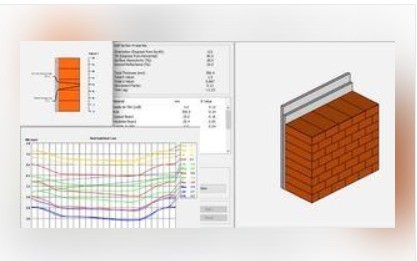
"Master LEED Compliance Modeling for Chilled Water Systems in OpenStudio at Your Own Pace - Start Saving Energy Today!"
A self-paced online program to learn modeling chilled water systems, executing parametric analysis, and optimizing for energy efficiency in OpenStudio

Learning objectives:

  • Learn effective workflow to model HVAC systems in OpenStudio
  • Learn baseline modelling protocol as per ASHRAE 90.1-2010, Appendix G
  • Understand LEED v4 requirements for energy model
  • Develop energy model with a Chilled Water System for a sample building
  • Model all components of Chilled Water System like Air Handling Units, Fan Coil Units, Chiller, Pumps, Cooling Tower in OpenStudio
  • Use the Building Component Library (BCL) in OpenStudio for HVAC system
  • Identify bugs to run error-free simulations
  • Run compliance check as per LEED v4 requirementsCreate report for LEEDv4 compliance using OpenStudio measureUnderstand simulation results to give meaningful feedback to the design team

Prerequisite: Basic working knowledge of OpenStudio and SketchUp is required. Basic understanding of HVAC systems will be an advantage. This course is offered for an Intermediate learning level.

Learning Level: Intermediate

What is not covered in the program?

  • Detailed fresh air calculations as per ASHRAE 62.1-2010 for LEED compliance
  • Daylight modeling for LEED compliance
  • Other requirements covered in the Energy and Atmosphere Credit in LEED v4
  • Parametric Analysis Tool (PAT) in OpenStudio

While you will be able to change or modify various system components, detailed energy conservation measures to optimize the design of the CHW system will not be covered. LEED compliance is the focus of this program.

This program is designed for:

  • Any professional involved in designing buildings
  • HVAC and MEP engineers, energy modelers, green building consultants
  • Students studying HVAC design or related discipline (final year or masters level)
  • Faculty teaching HVAC, energy efficiency or related discipline

Program format:

  • Short self-paced videos lessons covering fundamentals of the weekly topic
  • Weekly assignments

Program Takeaways:

  • Copy of all training materials

Note: This course is compatible with the OpenStudio 2.8 version and SketchUp Make 2017

After successful purchase, this item would be added to your courses.

You can access your courses in the following ways:

  • From Computer, you can access your courses after successful login
  • For other devices, you can access your library using this web app through browser of your device

LEED Compliance Modeling for Chilled Water System in OpenStudio
₹9000
Daylight and Thermal Comfort Optimization in OpenStudio
Corporate

Daylight and Thermal Comfort Optimization in OpenStudio

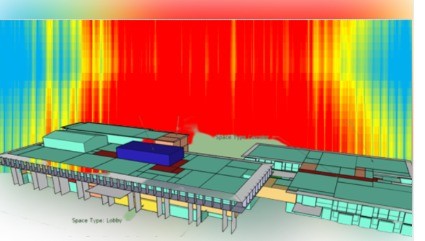
An online, on-demand, self-paced course for professionals and students to execute daylight and thermal comfort analysis for early design stage in OpenStudio.

A self-paced online certificate program to execute daylight and thermal comfort analysis for early design stage in OpenStudio


Learning Objectives:

  • Check compliance for daylight requirements as per ECBC 2017
  • Analyse comfort hours for naturally ventilated spaces as per ASHRAE Std 55-2017
  • Model daylight & glare control and assess the impact on building load
  • Discuss the trade-off between comfort and energy use
  • Calculate Solar PV requirements for your project
  • Work with spreadsheets to process simulation results
  • Translate simulation outputs for design inputs
  • Develop custom charts and graphs to communicate the result
  • Get hands-on experience on OpenStudio/SketchUp modelling platform

Prerequisite: Basic working 2D modeling is essential. This course is offered for an intermediate learning level and hence basic working knowledge of OpenStudio is expected. Basic understanding of modelling & simulation in OpenStudio will be covered briefly as a refresher.

Learning Level: Intermediate

This Program is designed for:

  • Professionals involved with the building design process
  • Architects, Engineers, Energy modelers & Green Building Consultants
  • Students of Architecture or related disciplines [final year]
  • Faculty teaching Architecture or related disciplines

Program Format:

  • 30 hours of learning spread comfortably over 2 weeks
  • Weekly assignments and quiz
  • Self-paced videos covering key topics


Program Takeaways:

  • Copy of all training materials
  • Certificate on completing the course
  • Network with peer group


Note: This course is compatible with the OpenStudio 2.8 version and SketchUp Make 2017

After successful purchase, this item would be added to your courses.

You can access your courses in the following ways :

  • From Computer, you can access your courses after successful login
  • For other devices, you can access your library using this web app through browser of your device.


OS2
₹8000
Refresher Program - Building Envelope Optimization in OS
Corporate

Refresher Program - Building Envelope Optimization in OS

Refresher Program - Building Envelope Optimization in OS
₹1
Building Envelope Optimization in OpenStudio
Corporate

Building Envelope Optimization in OpenStudio

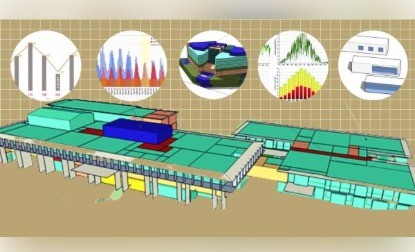
"Master OpenStudio techniques to enhance building performance through optimized envelopes in your own time!"

A self-paced online certificate program to learn building envelope optimization for early design stage analysis using OpenStudio

Learning objectives:

  • Understand the impact of form, orientation, WWR, shading and material selection on building energy use
  • Compare design options for performance
  • Create a response curve using simulation results
  • Arrive at a set of best design recommendations
  • Know which design strategy works and why
  • Confidently use technical data to support your design
  • Get hands-on experience on OpenStudio/SketchUp modelling platform 
  • Learn the workflow that is ideal for early design stage

Prerequisite: Basic working knowledge of Sketchup, familiarity with reading 2D drawings is expected.

Learning level: Beginner

This program is designed for: 

  • Professionals involved in building design process
  • Architects, Engineers, Energy modelers & Green Building Consultants
  • Students of Architecture, HVAC engineering or related disciplines [final year]
  • Faculty teaching Architecture or related disciplines

Program format:

  • Self-paced videos lessons for deeper understanding of the software
  • Weekly assignments to apply the concepts

Note: This course is compatible with the OpenStudio 2.8 version and SketchUp Make 2017

How to Use:

After successful purchase, this item would be added to your courses.

You can access your courses in the following ways :

  • From Computer, you can access your courses after successful login
  • For other devices, you can access your library using this web app through browser of your device.

OS1
₹8000
Climate Responsive Design Series [MATERIAL SELECTION]
Corporate

Climate Responsive Design Series [MATERIAL SELECTION]

"Master the art of sustainable architecture with our Climate Responsive Design Series [MATERIAL SELECTION] course and create buildings that harmonize with nature!"

This is WEEK 5: MATERIAL SELECTION COURSE

Learn about the importance of material selection in climate responsive design and how it can impact the sustainability and energy efficiency of buildings.

Key Highlights:

  • Understanding the role of materials in climate responsive design
  • Exploring sustainable material options for different climate zones
  • Optimizing material selection for energy efficiency

What you will learn:

  • Role of Materials in Climate Responsive Design
    Explore the significance of material selection in creating environmentally conscious buildings.
  • Sustainable Material Options
    Discover various sustainable material choices tailored to specific climate conditions.
  • Optimizing Energy Efficiency through Material Selection
    Learn how to select materials that enhance the energy performance of a building.

After successful purchase, this item would be added to your courses.

You can access your courses in the following ways :

  • From Computer, you can access your courses after successful login
  • For other devices, you can access your library using this web app through browser of your device.

Climate Responsive Design Series [MATERIAL SELECTION]
₹4200
Climate Responsive Design Series [NATURAL VENTILATION ANALYSIS]
Corporate

Climate Responsive Design Series [NATURAL VENTILATION ANALYSIS]

"Unlock the power of nature: Mastering natural ventilation strategies for eco-friendly and sustainable architectural designs!"

This is Week 4: Natural Ventilation Analysis Course

Learn about the principles of climate-responsive design with a focus on natural ventilation analysis in this comprehensive course.

Key Highlights:

  • Understanding the impact of climate on building design
  • Analysis of natural ventilation strategies

What you will learn:

  • Principles of Climate-Responsive Design
    Explore how climate affects design decisions and building performance.
  • Natural Ventilation Strategies
    Learn about various natural ventilation techniques and their application in design.
  • Optimizing Indoor Air Quality
    Discover methods to enhance indoor air quality through effective natural ventilation.

After successful purchase, this item would be added to your courses.

You can access your courses in the following ways :

  • From Computer, you can access your courses after successful login
  • For other devices, you can access your library using this web app through browser of your device.

Climate Responsive Design Series [NATURAL VENTILATION ANALYSIS]
₹4200
Climate Responsive Design Series [DAYLIGHT ANALYSIS]
Corporate

Climate Responsive Design Series [DAYLIGHT ANALYSIS]

"Master the art of harnessing daylight to create sustainable and energy-efficient designs in our Climate Responsive Design Series!"

This is WEEK 3: DAYLIGHT ANALYSIS COURSE

Explore the importance of daylight analysis in climate-responsive design in this comprehensive course.

Key Highlights:

  • Principles of daylight analysis
  • Tools and techniques for daylight simulation
  • Case studies showcasing effective daylight integration

What you will learn:

  • Understanding Daylight Fundamentals
    Master the basics of daylighting and its impact on building design.
  • Daylight Simulation Software
    Discover the use of simulation tools for accurate daylight analysis in design projects.
  • Optimizing Natural Light
    Learn strategies to optimize natural light for energy efficiency and occupant comfort.

After successful purchase, this item would be added to your courses.

You can access your courses in the following ways :

  • From Computer, you can access your courses after successful login
  • For other devices, you can access your library using this web app through browser of your device.

Climate Responsive Design Series [DAYLIGHT ANALYSIS]
₹4200
Climate Responsive Design Series [SOLAR ANALYSIS]
Corporate

Climate Responsive Design Series [SOLAR ANALYSIS]

Harness the Power of the Sun: Dive into Solar Analysis to Create Climate-Responsive Designs that Embrace Sustainability and Efficiency!

This is WEEK 2: SOLAR ANALYSIS COURSE

Learn about solar analysis in the context of climate responsive design to create sustainable and energy-efficient buildings.

Key Highlights:

  • Understanding the importance of solar analysis in design
  • Techniques for optimizing natural light and passive solar heating
  • Tools and software for solar analysis

What you will learn:

  • Principles of Solar Analysis
    Explore the fundamentals of solar analysis and its application in building design.
  • Passive Design Strategies
    Learn about passive design strategies that leverage solar energy for heating and cooling.
  • Simulation Tools
    Discover various simulation tools for conducting solar analysis and optimizing building performance.

After successful purchase, this item would be added to your courses.

You can access your courses in the following ways :

  • From Computer, you can access your courses after successful login
  • For other devices, you can access your library using this web app through browser of your device.

Climate Responsive Design Series [SOLAR ANALYSIS]
₹4200
Climate Responsive Design Series [CLIMATE ANALYSIS]
Corporate

Climate Responsive Design Series [CLIMATE ANALYSIS]

"Unlock the secrets of climate analysis to design sustainable and responsive architecture in our Climate Responsive Design Series!"

Climate Responsive Design is a 5-week self-paced certificate program to learn analytical techniques, software tools, and framework with clarity of fundamentals to design a climate responsive building.

This is Week 1: Climate Analysis Course

Learn how to design buildings that respond to the climate and environment they are situated in. This course will cover the principles of climate analysis and how to integrate these findings into the design process.

Key Highlights:

  • Understanding climate zones and their characteristics
  • Utilizing passive design strategies for energy efficiency
  • Designing for natural ventilation and daylighting

What you will learn:

  • Climate Zones & Characteristics
    Explore different climate zones and their impact on building design.
  • Passive Design Strategies
    Learn how to incorporate passive design principles for sustainable architecture.
  • Natural Ventilation & Daylighting
    Understand the importance of natural ventilation and daylighting in building design.

After successful purchase, this item would be added to your courses.

You can access your courses in the following ways :

  • From Computer, you can access your courses after successful login
  • For other devices, you can access your library using this web app through browser of your device.

Climate Responsive Design Series [CLIMATE ANALYSIS]
₹4200
Breathe-In Dialogue - Cleaner Air in Healthcare
Corporate

Breathe-In Dialogue - Cleaner Air in Healthcare

Breathe-In Dialogues are envisioned as a platform for generating discussions on indoor air quality issues, concerns, and solutions around four themes - regulatory convergence, integrated design and technology, monitoring and management, and occupant awareness and communication. 

Key Takeaways
Microbiological contaminants take precedence over other contaminants in determining quality of indoor air in healthcare facilities. Hence, achieving asepsis (absence of microbiological contaminants) is the key differentiator between designing ventilation for healthcare versus other commercial spaces. Appropriate air flow, filtration, air changes per hour (ACH) and environmental conditions (temperature and humidity) are key parameters for ventilation design in hospitals. The dialogue covered lessons for building professionals on 
a)    designing for healthcare including specific standards for healthcare, ventilation rates, etc. 
b)    designing for good indoor air quality for hospitals through case studies. How can we design resilient spaces that can be converted to isolation wards when required, a lesson learnt from the pandemic, was also covered through examples. 
c)    Importance of maintenance of ventilation coupled with IAQ surveillance, especially during a disease outbreak when hospitals are incapacitated leading to fatalities. 
One of the key takeaways from this dialogue was a need to develop and implement IAQ standards specific for healthcare facilities. This would also enable standardization of monitoring IAQ parameters with the objective of deploying corrective actions when deviations are observed. 

#01
₹1
LEED AP Exam Preparation
Corporate

LEED AP Exam Preparation

A LEED Accredited Professional (AP) credential distinguishes those with advanced knowledge in green building, plus expertise in a particular LEED rating system. The LEED AP in Building Design and Construction (BD+C) specialty suits professionals with expertise in the design and construction phases of green buildings, serving the commercial, residential, education and healthcare sectors. It is also suitable for students who want to start a career in the green building industry.

This training program will help you prepare and ace the LEED AP exam while you are working/studying full time. This program will be conducted online offering flexibility for busy professionals or full-time students who are pressed with time and want to prepare for the exam in the most effective way.

LEED AP
₹1
Kinetic Facades
Corporate

Kinetic Facades

Kinetic facades that are climate responsive can be seen as an extension to passive solar design strategies. This course will discuss what climate responsive facades are and how they work through many examples. The iterative design process for design a kinetic facades using performance driven simulation tools is shared through a project example towards the end of the course.

KF
₹1
Sustainable Interiors 101
Corporate

Sustainable Interiors 101

This course introduces measurable criteria across various components of an interior fit out project using which the sustainability quotient can be assessed.

SI
₹1
Cool Roof For Green Buildings - Part 1
Corporate

Cool Roof For Green Buildings - Part 1

This short course explains the fundamental working principle of a cool roof using technical terminologies.

Roofs are the exposed to intense solar radiation throughout the day which in-turn increases the cooling load of the building and consequently the energy consumption. Cool roofs work on the principle of reflecting solar radiation, hence minimizing heat transfer to the interior of the building. through the roof. This is a simple and effective strategy to reduce cooling energy consumption. Cool roofs are also known for their benefit towards mitigating urban heat island effect.

This is Part 1 of the course which will cover the fundamental technical ground in understanding how a cool roof works. At the end of this course you will have complete clarity on the building physics and technical terms that is essential to understand how a cool roof exactly works .

COURSE OBJECTIVES
At the end of this course, participants will be able to
1.    Identify what a cool roof is
2.    Understand how a cool roof works
3.    Define key properties of cool roof
4.    Clarity of the physics behind material performance

CRG
₹1
Cool Roof For Green Buildings - Part 2
Corporate

Cool Roof For Green Buildings - Part 2

Roofs are the exposed to intense solar radiation throughout the day which in-turn increases the cooling load of the building and consequently the energy consumption. Cool roofs work on the principle of reflecting solar radiation, hence minimizing heat transfer to the interior of the building. through the roof.  This is a simple and effective strategy to reduce cooling energy consumption. Cool roofs are also known for their benefit towards mitigating urban heat island effect.

This is Part 2 of the course series which covers how a cool roof works and its benefits. Part 1 of the course covered the fundamental technical ground on how a cool roof works.

This course is designed in short modules. You will learn the working principle of a cool roof, its benefit to the building and surroundings, material options and installation. Cool roof requirement in LEED version 4 is mentioned briefly in the context of material property. The last module will discuss alternatives that can reduce heat ingress thereby keeping the building interiors cool.

COURSE OBJECTIVES

At the end of this course, participants will be able to

  • Identify what a cool roof is
  • Understand how a cool roof works
  • Describe the benefits of cool roofs
  • Identify cool roofing materials and options

1.      

2.      

3.   

CRFGB
₹1
Breathe-In Dialogue on Pro-Indoor Air Quality Actions
Corporate

Breathe-In Dialogue on Pro-Indoor Air Quality Actions

Breathe-In Dialogues are envisioned as a platform for generating discussions on indoor air quality issues, concerns, and solutions around four themes - regulatory convergence, integrated design and technology, monitoring and management, and occupant awareness and communication. 

Key Takeaways 
Indoor air quality (IAQ) is harder to judge than parameters like temperature or light, so a clear metric is needed to benchmark and document IAQ performance. Such a metric would support building rating systems, decarbonization efforts, and comparisons across building types and regions. Experts emphasized that IAQ strategies must focus on pollutants proven to affect health, and infection control should be included as a key parameter.
Mr. Vishal Kapur highlights the ISHRAE Indoor Environmental Quality Standard, which offers three building classifications to guide owners from minimum compliance toward aspirational goals. Speakers stressed the importance of performance-based design, considering both indoor and ambient air quality—since polluted outdoor air can undermine ventilation strategies.
Monitoring IAQ empowers building owners to demand better design and retrofit solutions. While implementation can be costly, monitoring system prices have declined in recent years, and the broader costs of absenteeism, illness, and lost productivity make IAQ investments cost-effective. Owners can begin with basic monitoring and expand as evidence grows.

#02
₹1
Breathe-in Dialogue on Prioritisation of Indoor Air Contaminants
Corporate

Breathe-in Dialogue on Prioritisation of Indoor Air Contaminants

Breathe-in Dialogues are envisioned as a platform for generating discussions on indoor air quality issues, concerns, and solutions around four themes - regulatory convergence, integrated design and technology, monitoring and management, and occupant awareness and communication. 

Many countries have developed indoor air quality (IAQ) guidelines, but they differ in parameters, thresholds, and metrics, highlighting the need for a common basis to strengthen public health policies. Dr. Jones proposes a harm intensity metric that quantifies chronic harm in disability-adjusted life years (DALYs) per unit concentration of contaminants, identifying PM10, PM2.5, nitrogen dioxide, formaldehyde, radon, and ozone as responsible for 99.5% of indoor harm, and suggested using this alongside a “harm budget” to set acceptable IAQ levels. Complementing this, Dr. Sunil Gulia’s study of Delhi office buildings shows that fine and ultrafine particles were higher in closed indoor environments, but PM2.5 levels decreased significantly after renovations that improved ventilation, interior design, and office management. Demonstrating that thoughtful building design and efficient operations can effectively reduce harmful particulate matter indoors.

#03
₹1
Breathe-In Dialogue on Healthy Indoors: An Exchange of Stories, Facts and Experiences
Corporate

Breathe-In Dialogue on Healthy Indoors: An Exchange of Stories, Facts and Experiences

Breathe-In Dialogues are envisioned as a platform for generating discussions on indoor air quality issues, concerns, and solutions around four themes - regulatory convergence, integrated design and technology, monitoring and management, and occupant awareness and communication. 

Awareness on monitoring and management of indoor air quality amongst the public is limited to guidelines in response to COVID-19, city-specific concerns and guidance on poor ambient air quality (e.g. air pollution guidelines in Delhi, especially in the winters), and burning of biomass for heating, cooking etc. This dialogue “Healthy Indoors: An Exchange of Stories, Facts and Experiences” brings together leading experts and change makers representing various domains (medical field, media, technology) exchanging their journeys and experiences on indoor air quality. The discussion is designed to drive conversations around the importance of indoor air quality, technologies and solutions available for IAQ monitoring and management, and some simple tips all of us can adopt to ensure good indoor air quality inside our homes, offices, schools etc.

#04
₹1
Breathe-In Dialogue on Global Trends in Indoor Air Quality Technologies and Solutions
Corporate

Breathe-In Dialogue on Global Trends in Indoor Air Quality Technologies and Solutions

Breathe-In Dialogues are envisioned as a platform for generating discussions on indoor air quality issues, concerns, and solutions around four themes - regulatory convergence, integrated design and technology, monitoring and management, and occupant awareness and communication.

This dialogue hosted Dr. Valerie LePrince from Cerema and Dr. Andy Dengel from BRE and focused on the interconnection between indoor air quality and energy efficiency.The discussion highlights the growing challenge of balancing energy efficiency in buildings with maintaining healthy indoor air quality. As urban populations rise and more buildings adopt mechanical ventilation, energy demand is expected to increase, prompting initiatives like those in India to promote efficiency. Measures such as airtightness and insulation reduce energy use but can compromise air quality if ventilation is inadequate, underscoring the principle of “Build Tight, Ventilate Right.” Experts emphasizs the need for regulations on airtightness and ventilation testing, as well as reliable data from smart HVAC systems and IAQ sensors, supported by standardized testing and calibration protocols. The dialogue concludes with a panel exploring India’s context, research opportunities, ductwork airtightness, and the importance of sensor reliability and calibration standards.

#05
₹1
LEED GA Exam Preparation Quiz
Corporate

LEED GA Exam Preparation Quiz

LEED or Leadership in Energy and Environmental Design is the most widely used green building rating system in the world. A LEED credential denotes proficiency in today’s sustainable design, construction and operations standards. Passing a LEED exam sets you apart from the pack by validating your field expertise. This online training program will help you prepare and ace the LEED GA exam in 2 weeks while you are working full time. The course content is concise and to-the-point geared to give you the necessary knowledge required to learn about LEED and will give you the confidence to crack the exam.

LEED GA Quiz
₹1
Breathe-In Dialogue on Indoor Air Quality Audits and Smart Ventilation Systems
Corporate

Breathe-In Dialogue on Indoor Air Quality Audits and Smart Ventilation Systems

Breathe-In Dialogues are envisioned as a platform for generating discussions on indoor air quality issues, concerns, and solutions around four themes - regulatory convergence, integrated design and technology, monitoring and management, and occupant awareness and communication. 

This session highlights how smart ventilation systems can dynamically adjust airflow to maintain good indoor air quality while minimizing energy use, discomfort, and noise, responding to factors like occupancy, outdoor conditions, and contaminants. Dr. Jelle Laverge emphasizes a performance-based design approach using simulation tools that capture all IAQ processes, advocating harm-based indicators and monetizing IAQ impacts (productivity, health, learning) to show its value. Dr. Chandra Sekhar discusses conducting IAQ audits through a system-zone concept, linking systems and spaces, with goals of assessing IAQ, identifying improvements, and creating management plans. 

#06
₹1
Breathe-In Dialogue on Certifications and Ratings for Indoor Air Quality
Corporate

Breathe-In Dialogue on Certifications and Ratings for Indoor Air Quality

Breathe-In Dialogues are envisioned as a platform for generating discussions on indoor air quality (IAQ) issues, concerns, and solutions around four themes - regulatory convergence, integrated design and technology, monitoring and management, and occupant awareness and communication. 

This dialogue featuring Stanton Wong from RESET® and Dimpy Daroch from UL Solutions explores the role of indoor air quality (IAQ) certifications in promoting healthier buildings. Wong emphasizes RESET’s performance-driven approach, highlighting the importance of continuous monitoring over one-time flush-out testing, and shared case studies where data-driven strategies and incentives improves IAQ management. Daroch will discuss UL’s Verified Healthy Building (VHB) Mark, its global applicability across building types including residential and its alignment with WELL, FITWEL, and GRESB. She illustrates the program’s impact with case studies, such as RMZ’s Infinity building in Bangalore, where regular testing, sensor monitoring, and inspections ensures sustained IAQ performance. The webinar concludes with reinforcing the value of certification systems in advancing both technical and human centered outcomes for healthier indoor environments.

#07
₹1
Breathe-In Dialogue on Indoor Air Quality in Schools
Corporate

Breathe-In Dialogue on Indoor Air Quality in Schools

Breathe-In Dialogues are envisioned as a platform for generating discussions on indoor air quality (IAQ) issues, concerns, and solutions around four themes - regulatory convergence, integrated design and technology, monitoring and management, and occupant awareness and communication. 

Children are physiologically and socially more vulnerable to poor indoor air quality, making safe learning environments essential. Dr. Corinne Mandin highlights common pollutants in classrooms such as PM2.5, PM10, phthalates, and VOCs, with sources ranging from school supplies and traffic to cleaning products, noting that many products lack proper Safety Data Sheets and that settled dust poses risks for younger children. She calls for awareness among staff, students, and parents, alongside stricter regulations for schools and day-cares. Dr. Henry Burridge describes the SAMHE Project, which uses citizen science to monitor air quality in schools, showing how pollution levels respond to extreme weather, seasonal changes, school events, and fireworks, while also emphasizing disparities in ventilation across different types of schools

#08
₹1
Breathe-In Dialogue on Innovations in Clean Air Technology for Improved Indoor Air Quality
Corporate

Breathe-In Dialogue on Innovations in Clean Air Technology for Improved Indoor Air Quality

Breathe-In Dialogues are envisioned as a platform for generating discussions on indoor air quality (IAQ) issues, concerns, and solutions around four themes - regulatory convergence, integrated design and technology, monitoring and management, and occupant awareness and communication. 

The dialogue features Hannu Salmela from VTT Finland and Barun Aggarwal from BreatheEasy Consultants discussing indoor air pollution and clean air technologies. Hannu highlights existing and novel airborne contamination control solutions, stressing sustainability, social justice, and the need for regulation and monitoring, while presenting a daycare case study where interventions reduced children’s illness by 18% and introducing risk-based sizing of air cleaners. Barun explains active and passive filters, emphasizes the importance of addressing gaseous pollutants, and warns about harmful by-products from active filters, calling for peer-reviewed safety research. He shares case studies from Indian buildings showing improvements after clean air interventions.

#09
₹1
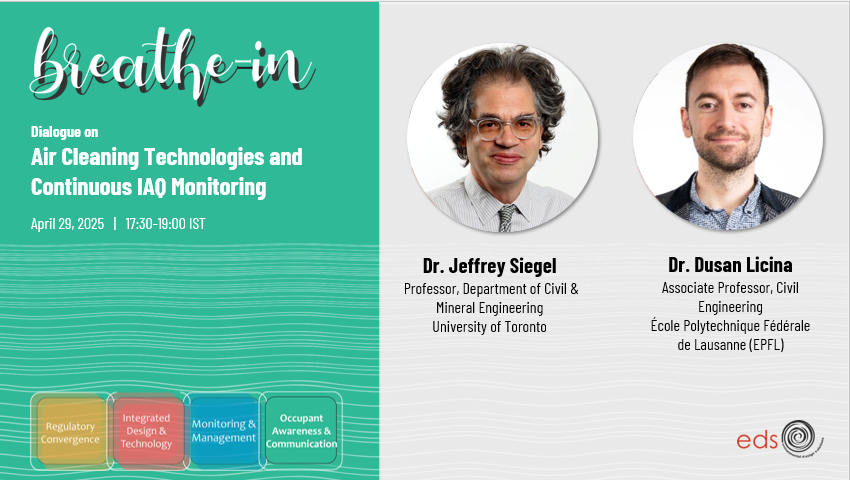
Breathe-In Dialogue on Air Cleaning Technologies and Continuous IAQ Monitoring
Corporate

Breathe-In Dialogue on Air Cleaning Technologies and Continuous IAQ Monitoring

Breathe-In Dialogues are envisioned as a platform for generating discussions on indoor air quality (IAQ) issues, concerns, and solutions around four themes - regulatory convergence, integrated design and technology, monitoring and management, and occupant awareness and communication. 

This dialogue hosts Dr. Jeffrey Seigel from University of Toronto and Dr. Dusan Licina from École Polytechnique Fédérale de Lausanne (EPFL). Dr. Siegel will focus on the challenges that hinder adoption of air cleaning technologies and solutions to overcome these barriers. Dr. Licina will discuss continuous IAQ monitoring, revealing how it can enhance our understanding of air quality in various indoor environments.

#10
₹1
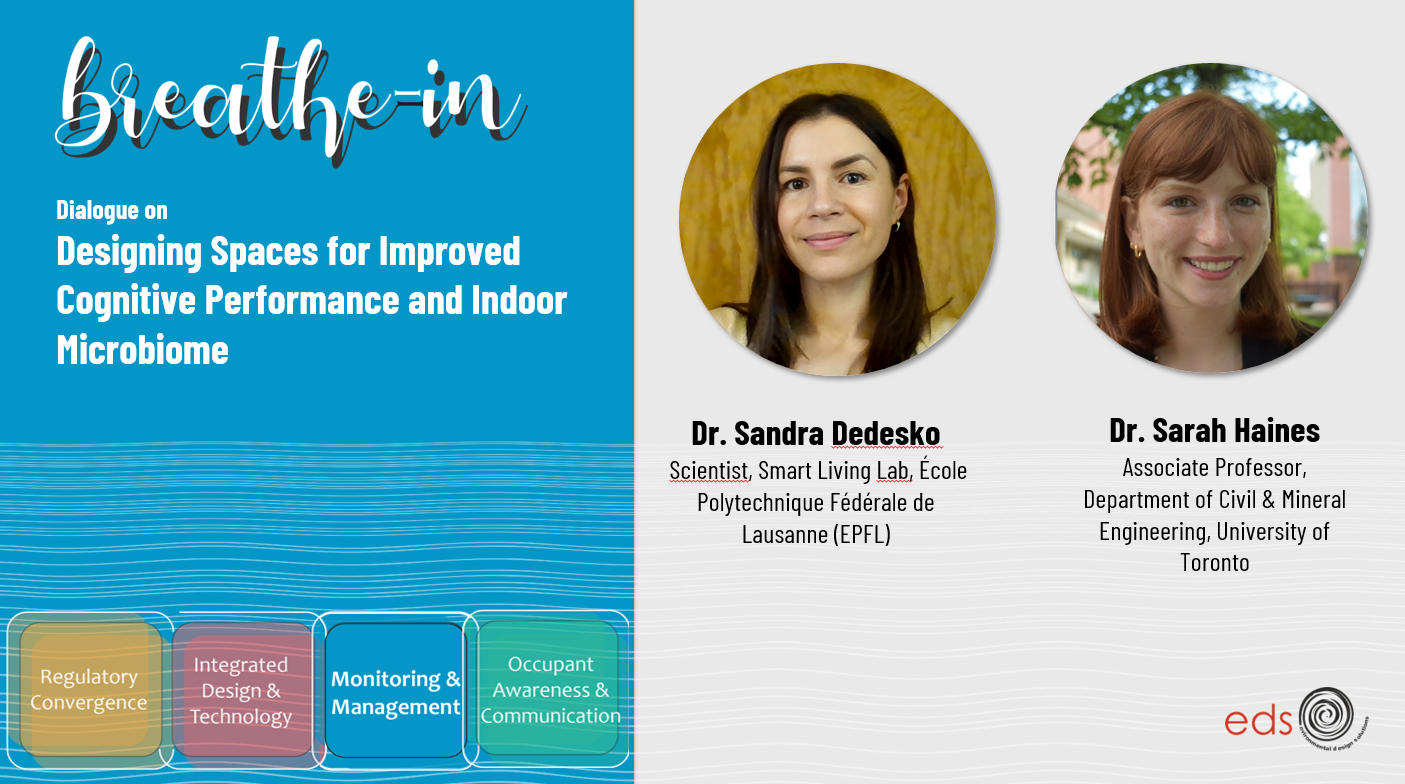
Breathe-in Dialogue on Designing Spaces for Improved Cognitive Performance and Indoor Microbiome’
Corporate

Breathe-in Dialogue on Designing Spaces for Improved Cognitive Performance and Indoor Microbiome’

Breathe-In Dialogues are envisioned as a platform for generating discussions on indoor air quality (IAQ) issues, concerns, and solutions around four themes - regulatory convergence, integrated design and technology, monitoring and management, and occupant awareness and communication. 

This dialogue highlights how indoor air quality (IAQ) and the indoor microbiome shape health, wellbeing, and cognitive performance, emphasizing the need for building design and operations to prioritize healthier environments. Dr. Sandra Dedesko presents new research linking indoor air exposure to cognitive outcomes across countries, building types, and domains, while Dr. Sarah Haines explains the composition of the indoor microbiome, advances in detection methods, and the role of indoor dust as a matrix for microbial analysis. Together, the experts share strategies for designing and managing built environments that support comfort, productivity, and health, within a broader series of interdisciplinary webinars focused on regulatory convergence, integrated design and technology, monitoring and management, and occupant awareness.

#11
₹1
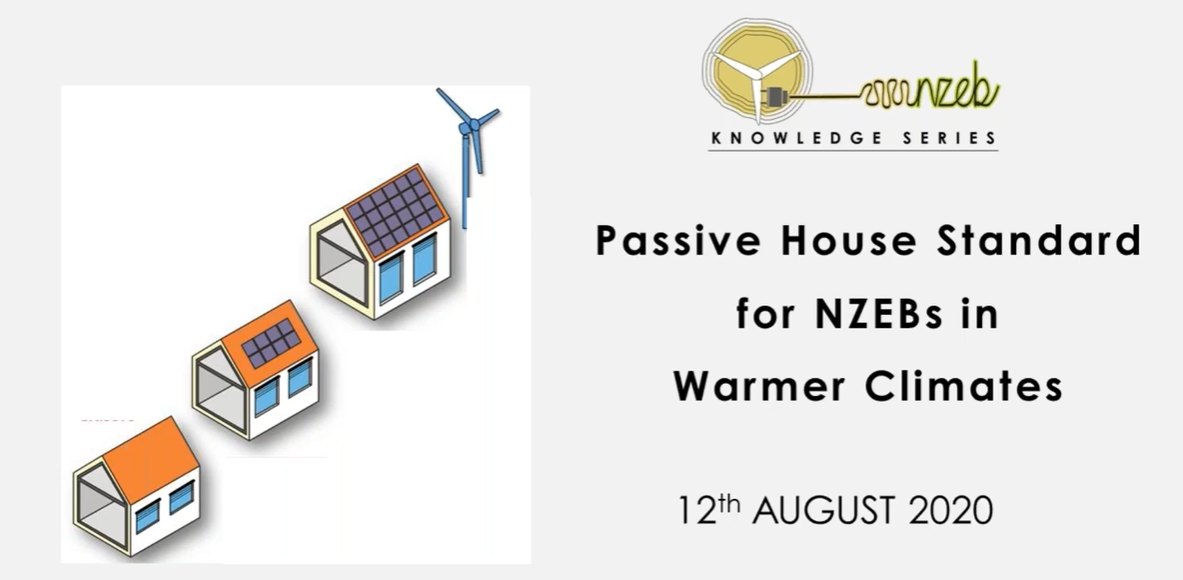
NZEB_Passive House Standard for NZEBs in Warmer Climates
Corporate

NZEB_Passive House Standard for NZEBs in Warmer Climates

This webinar introduces the Passive House (PH) standard, an internationally recognized approach to designing high-performance buildings that deliver superior indoor comfort, good air quality, and very low energy demand. It explains the fundamentals of the Passive House concept developed by the Passive House Institute (PHI) and its application in both new and retrofitted buildings worldwide. The session highlights the importance of prioritizing energy efficiency before renewable energy to achieve net-zero goals and discusses the PH Plus and Premium classes that combine efficiency with renewable generation. It also explores thermal comfort principles and presents strategies for implementing Passive House design in hot climates, such as insulation, shading, high-performance windows, airtight construction, and efficient ventilation systems. Through case studies and practical examples, the webinar demonstrates how these approaches reduce cooling demand and support energy-efficient, climate-responsive, and economically viable buildings.

Design 1
₹1
NZEB_Building Frugally. Living by Example
Corporate

NZEB_Building Frugally. Living by Example

This webinar explores innovative, contextual approaches to sustainable architecture through the works of Chitra Vishwanath and Kiran Vaghela. The discussion highlights medium-scale projects that integrate local crafts, traditional building technologies, and applied research to reduce energy footprints. Vishwanath emphasizes resource-conscious design in Bangalore, blending contemporary spaces with traditional wisdom, while Vaghela showcases vernacular yet modern solutions in Bhuj, rooted in artisanal knowledge and waste material reuse. Together, their practices demonstrate ecologically sensitive, economically viable, and socially inclusive architectural models that respond to site conditions and community needs.

Design 2
₹1
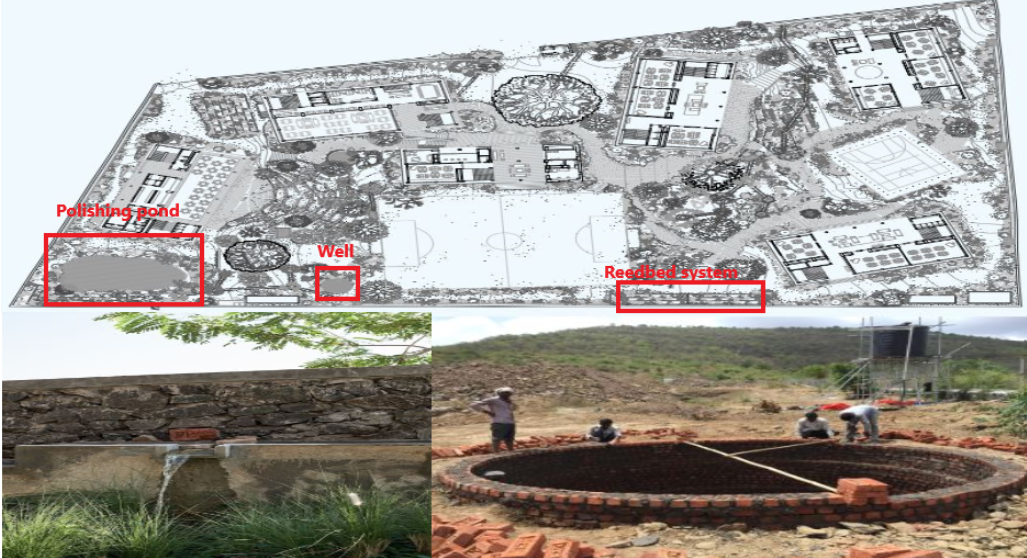
NZEB_Avasara Academy
Corporate

NZEB_Avasara Academy

This course presents the design and sustainability strategies of Avasara Academy, a residential girls’ school campus located in Lavale near Pune, India. It explores how the campus integrates modern architectural practices with vernacular design principles to achieve a high-performance, net-zero energy built environment. The session highlights the campus planning approach that combines academic and residential functions within each building block to ensure efficient space use while eliminating inactive areas. It also examines key resource management strategies, including rainwater harvesting, wastewater treatment through reedbed bioremediation systems, and the reuse of treated water for landscape irrigation. In addition, the course discusses the use of low-embodied-energy materials such as fly ash blocks, reclaimed teak wood, waste-glass composite marble, and recycled stone pavements that contribute to both sustainability and architectural character.

Design 3
₹1
NZEB_SDE4 in Singapore: Net-Zero By Design
Corporate

NZEB_SDE4 in Singapore: Net-Zero By Design

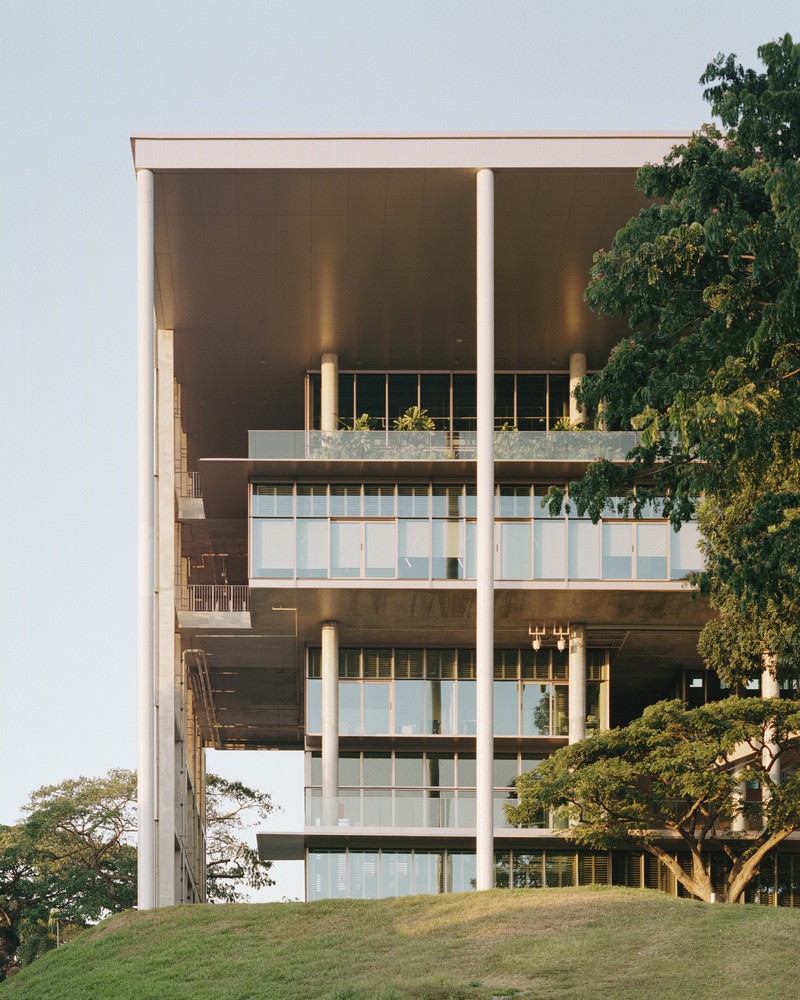
SDE4, Singapore's first net-zero energy building and NUS Architecture extension, proves high-comfort doesn't need heavy tech using passive design, optimized systems, and rooftop solar (260 kWh/m²/yr) to offset optimized EUI of ~70 kWh/m²/yr. Transsolar's Wolfgang Kessling details the hybrid approach: adaptive comfort (27°C effective temp via 29°C air and fans, cutting cooling 50%), zone-specific cooling (26% hybrid, labs AC, plazas natural), open facades with overhangs/blinds/light shelves for glare-free daylight, and operable windowsn o return ducts/false ceilings. Multidisciplinary team (Serie/Multiply Architects, Surbana MEP, Transsolar) shows minimize EUI first, efficient MEP second, solar third for hot-humid urban futures.

Design 4
₹1
NZEB_SIERRA’s eFACiLiTY: A smart high performance building
Corporate

NZEB_SIERRA’s eFACiLiTY: A smart high performance building

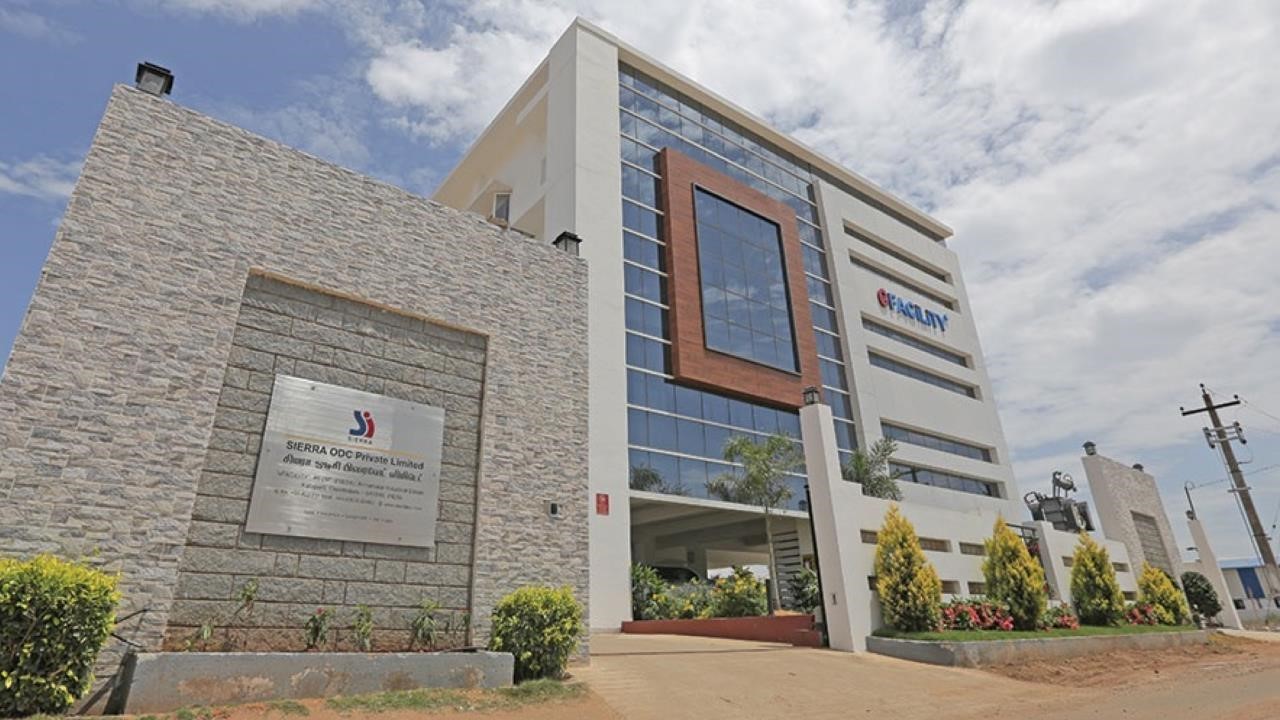
SIERRA’s eFACILITY is a 25,000 square foot software development center in Coimbatore. India, designed to be fully carbon-neutral. It combines cutting-edge IoT sensors, full automation, and SIERRA's own eFACILITY software to minimize energy and water use. Achieving the second-highest Platinum LEED v2009 certification, the building reduces energy to an impressive EPI of 18.8 KWh/m²/year using 84.3 KW of solar panels (rooftop and facade). It also features zero water discharge with 80% less per capita consumption, plus wellness perks like an on-site gym, cafeteria, nearby employee housing, and EV charging to cut transport emissions.

Design 5
₹1
NZEB_ASHRAE HQ NZE Renovation
Corporate

NZEB_ASHRAE HQ NZE Renovation

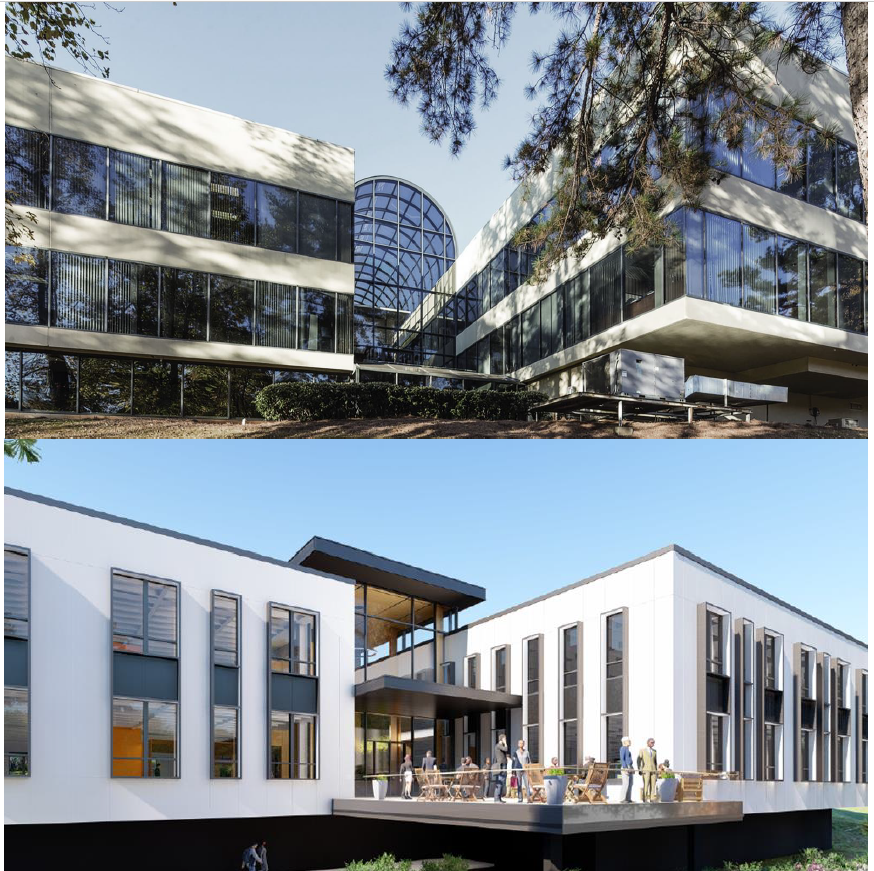
ASHRAE turned a 1970s 67,000 sq ft building in Atlanta into a Net-Zero Energy Building (NZEB) for its global HQ, proving it's affordable and doable for any owner. Led by Shreshth Nagpal of Integral Group, the project slashed energy use from a typical 36 kBtu/sq ft/yr to a target of 17 kBtu/sq ft/yr offset by 210-260 kWp rooftop solar. Key steps: Passive designs like low 30% windows on east-west sides, shades, skylights, and smart zoning cut loads by 37%. Mixed-mode ventilation with openable windows and fans, plus radiant panels and heat-recovering DOAS, dropped it further to 16 kBtu/sq ft/yr. Active controls ensure top comfort and efficiency.

Design 6
₹1
NZEB_Occupant perspectives: NZEB at CEPT University – CARBSE
Corporate

NZEB_Occupant perspectives: NZEB at CEPT University – CARBSE

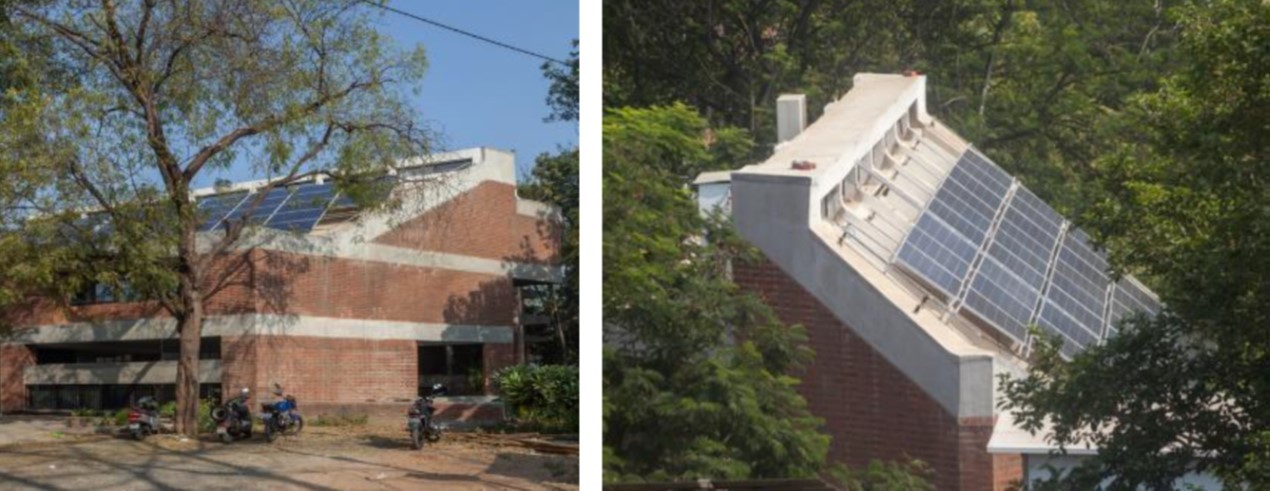
CARBSE at CEPT University, Ahmedabad, is a net-zero energy building and living lab for energy-efficient design research tailored to India's climate. Led by Prof. Rajan Rawal (Executive Director) and Dr. Yash Shukla (Technical Head), it hits an EPI of 58 kWh/m²/yr through smart strategies: south-facing orientation with sloped solar roof, optimized massing and envelope (thermal mass, insulation, low-e glazing, light shelves), low LPD of 4.7 W/m² via sensors, and mixed-mode cooling (natural vent, VRF, radiant, DOAS). Monitored via 1000 BMS points, 2016-17 data shows energy use at 42.5 kWh/m² (HVAC 24.1, equipment 15.5, plugs 2.7, lights 0.1) offset by 51.2 kWh/m² solar making it energy-positive. Comfort meets IMAC standards with real-time data and surveys proving low-energy thermal success.

Design 7
₹1
NZEB_Godrej Plant 13 annexe: an IGBC NZE rated building
Corporate

NZEB_Godrej Plant 13 annexe: an IGBC NZE rated building

Godrej & Boyce's Plant 13 Annexe in Mumbai, 24,443 m² office and convention center built in 2008 is India's first IGBC Net Zero Energy-rated building, evolving from Platinum IGBC Existing Building certification. Led by Rumi Engineer (Godrej green buildings head with 30+ years experience) and facility manager Pradipkumar Patel, it follows the "lean then green" rule: super-efficient envelope, daylighting, and systems achieved an EPI of 74.67 kWh/m²/yr (45% below design) in 2017-18. Rooftop PV covers 8% energy; rest offset by renewable PPAs. Smart metering, submetering, data analytics, and controls (e.g., switchable chillers 125-225 TR, VFDs cutting vent power from 75 to 53 kW) ensure top performance despite variable occupancy. Future upgrades like better BMS and mag-lev chillers aim for 20% more savings, stressing behavior and granular monitoring.

Design 8
₹1
NZEB_Green journey of INFOSYS: High performance with low environmental impact
Corporate

NZEB_Green journey of INFOSYS: High performance with low environmental impact

Infosys, led by Guruprakash Sastry, decoupled massive growth (45 million sq ft added 2008-18, employees doubled) from resource use: energy up only 16%, water per employee down 60%, heading to zero waste/discharge. Key wins include ultra-efficient buildings (new EPI target 75 kWh/m²/yr vs. old 350)  optimized envelopes, low WWR, exterior shades, radiant cooling, efficient chillers, and retrofits cutting energy per employee 55%. Data centers halved energy with water-cooled chillers. Smart campuses use a central command center for 16 sites' metering/monitoring. Renewables hit 19 MW on-site (46% demand, aiming RE100). Water savings (55% per employee) from low-flow fixtures, recycling, and rainwater harvesting prove low-carbon growth is possible.

Design 9
₹1
NZEB_Approach & strategies for a large-scale net zero development: IIT-Jodhpur
Corporate

NZEB_Approach & strategies for a large-scale net zero development: IIT-Jodhpur

IIT Jodhpur's 860-acre desert campus masterplan, designed by architect Sanjay Prakash, scales net-zero to community level aiming for self-sustaining zero energy, water, and waste by 2025 in a hot-dry climate. Inspired by local settlements ("Building with the Desert"), it uses a systems "DNA" with six tactics use/grow resources, two-way networks, storage, short transport, real-time grids. Key features, compact clusters in 1/4th site (rest natural), pedestrian-only with earthen berms for wind protection/recharge, east-west streets for north-south facades, non-motorized transit, 15 MW solar farm + rooftop PV (excess to grid), rainwater/groundwater, bio-methanol plant for waste-to-biogas/fertilizer/recycled water, and ICT for smart controls creating a "living laboratory" blending vernacular and modern design.


Design 10
₹1
NZEB_Green Conversations: Puma Retail Store & HQ for KPCL
Corporate

NZEB_Green Conversations: Puma Retail Store & HQ for KPCL

This webinar by Studio Decode's Principal Architect Meghana Dutta explores how project scale shapes sustainability in two high-performance buildings: Puma's 5,000 sq ft flagship retail store in Bangalore (net-zero targeted) and KPCL's 90,000 sq ft HQ office in Raichur (45% energy savings estimated). Puma's tight-site design recesses the building for stack ventilation/daylight, uses a PV-shaded glazed canopy (28 kW potential), and earth-air tunnel (EAT) cooling for summer pre-cooling keeping loads low for net-zero. KPCL's spacious 5-acre site enables simple passive features like courtyards, light shelves, double fins, skin walls; ground-floor earth-cooling for cafeteria/auditorium, upper-floor steam-powered vapor absorption chillers, and 7.5% rooftop solar prioritizing employee comfort in harsh heat.

Design 11
₹1
NZEB_Green conversations: HQ of Ministry of New & Renewable Energy (MNRE)
Corporate

NZEB_Green conversations: HQ of Ministry of New & Renewable Energy (MNRE)

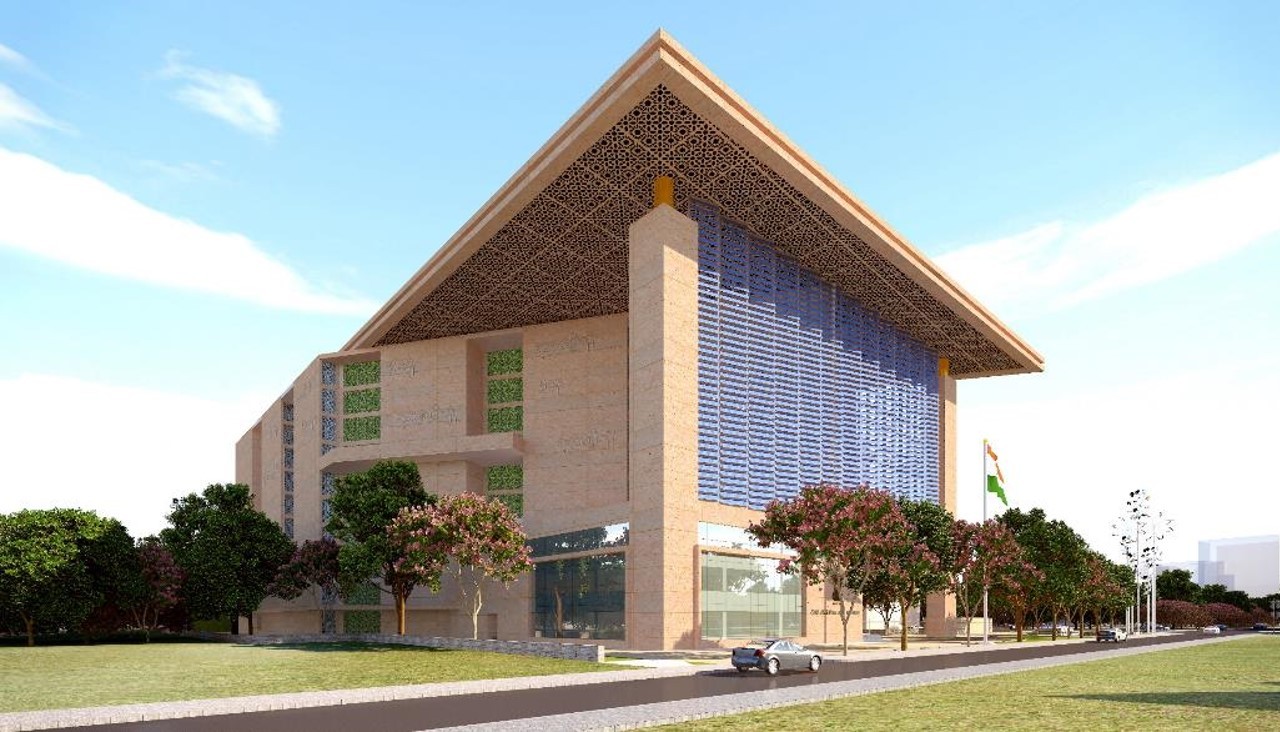
Akshay Urja Bhawan, MNRE's upcoming 238,368 sq ft (10-storey) net-zero HQ in New Delhi on a narrow 2.76-acre east-west site, blends passive design and efficient tech. Architect Bedanta Saikia and MEP consultant Samdarsh Nayyar tilted the south wing for north-east light, added a west services core as heat buffer, and used insulating double walls. Hybrid cooling mixes 215 TR conventional and radiant chillers (33% more efficient, no big AHUs), pre-cooled fresh air from exhaust, and BMS-capped loads. Solar wall, integrated roof PV generate ~5,295 kWh/day vs. 5,127 kWh use. Vegetated screens boost daylight/air quality proving "reduce first, renewals next."

Design 12
₹1
NZEB_Green Conversations: UNNATI
Corporate

NZEB_Green Conversations: UNNATI

UNNATI is a 3-storey, 4,945 m² (53,208 sq ft) office for GAINWELL CAT in Greater Noida's industrial campus, achieving an EPI of 60 kWh/m²/yr in a composite climate through integrated design. Architect Ashok B Lall and MEP consultant Vevaik Mahajan created a central courtyard-focused building with innovative envelope. Insulated "box" protrusions as shades/light shelves/HVAC housings using XPS-sandwich concrete, plus green roof. Cooling blends chilled water + 50% more efficient radiant system with displacement ventilation. A 100 kW rooftop solar on adjacent workshop makes it nearly zero-energy, on-site greywater/effluent treatment reuses for cooling/toilets/irrigation, with full waste management. Post-build, it earned India's first LEED v4 BD+C Platinum.

Design 13
₹1
NZEB_Green Conversations: ITC Mudfort
Corporate

NZEB_Green Conversations: ITC Mudfort

ITC Mudfort is a 10-storey, 213,613 sq ft residential complex with 54 3-BHK flats for ITC seniors in urban Bangalore's Jeevanhalli, completed 2018 proving climate-responsive high-rises work despite dense, low-rise surroundings. Client-driven for walkable workplace refuge, it earned dual top certifications: IGBC Green Homes Platinum and GRIHA 5-Star, with EPI of 58.7 kWh/m²/yr (19.7% over IGBC baseline, 30.9% over benchmark). Strategies: minimized footprint for landscapes/retained 42/49 trees, low WWR envelope with insulated roofs/walls/deep verandas, 70% cross-ventilation/80% 300 lux daylight; 85% solar hot water and wind for externals. Water 54% indoor cut, full recycled irrigation, native plants, parking favors basement/EVs/accessible.

Design 14
₹1
NZEB_Renewable Energy Technologies for NZEBs
Corporate

NZEB_Renewable Energy Technologies for NZEBs

This webinar explores three on-site renewable techs for India's NZEBs rooftop solar (RTS), building-integrated photovoltaics (BIPV), and small wind turbines (SWT) to meet rising energy needs amid growth. Experts Gaurav Gupta (RTS, Linear Energy) stresses due diligence on laws, easy maintenance/cleaning, client buy-in, and monitoring. Mhd.Shamir Khader (BIPV, Wallvision) highlights Zigzag Solar facades generating 1100 kWh/kWp  direct/reflected light, with design flexibility/colors (Europe/USA lead, APAC rising). Arun George (SWT, AvantGarde) demos AVATAR 1:1800 kWh/kWp/yr (beats RTS's 1400), 76% cheaper (₹60k/kWp), starts at 1.4 m/s, noiseless/vibration-free, scalable rooftops pushing subsidies for competitiveness. Choose per site/client: RTS affordable, BIPV flexible, SWT compact/maintenance-easy.

Technology 1
₹1
NZEB_Vapor Absorption Technology
Corporate

NZEB_Vapor Absorption Technology

This webinar by Thermax's Mr. Vaidyanathan spotlights Vapor Absorption Machines (VAM) a green alternative to electric chillers for NZEBs, cutting cooling's 50% energy share with eco-friendly refrigerants (water Li-Br or ammonia water, 0 ODP/GWP). VAM uses absorber/generator instead of compressor: evaporator chills water via low-pressure evaporation, vapors absorbed by Li-Br (cooled by tower), heated in generator to restart cycle leveraging waste heat recovery for net COP of 1.5 (vs. electric's 1.3). Water-driven (COP 0.8, small), direct-fired (COP 1.5, gas/LPG for hotels/malls), exhaust-gas (COP 1.5, up to 3500 TR), multi-energy. Wins, thermal flexibility, 1/10th pump power, quiet/no-vibe/low-maintenance, stable low-load COP, ideal for heat-rich sites.

Technology 2
₹1
NZEB_High Performance Glazing
Corporate

NZEB_High Performance Glazing

Glazing design is crucial for balancing daylight, views, and energy efficiency in India's tropical/composite climates, where poor choices spike cooling loads and cause glare often leaving fully glazed buildings blinded all day. Saint Gobain's Venugopal Ravi explains key metrics. Solar Factor (SF/SHGC) for total heat gain (low SHGC cuts 75% heat vs. 40% from U-value drop), Visual Light Transmittance (VLT) for daylight (clear glass 80%, DGUs better insulated at 2.8 W/m²K vs. single 5.8), and spectral selectivity (VLT/SHGC ratio 0.9-2 for high light/low heat). In hot climates, prioritize low SHGC. innovations like Priva Lite (switchable opacity), Picture IT (printed designs), and Sage Glass (dynamic tinting, SHGC 0.1-0.4, VLT 1-60%) enable glare-free comfort, energy savings, and well-being.

Technology 3
₹1
NZEB_Daylight Technologies
Corporate

NZEB_Daylight Technologies

Good daylighting cuts artificial lighting needs in NZEBs by harvesting natural light through windows, skylights, and clerestories while minimizing glare/heat key for energy savings. Expert Sekhar Nori covers tech: low 1% skylight-to-floor ratio (SFR) for India (vs. 5% higher latitudes), multi-glazed skylights, light pipes (up to 15m run for dark spaces/basements), light shelves (Sky shade blocks 70-80% sun, reflects 20-30% deep inside), and BMS-integrated hybrids (open/closed loop) dimming electrics. Case studies: Secunderabad Railway retrofit (wall light pipes), Rae Bareli coach factory (Asia's largest), Chennai Airport (sun-tracking). Savings hit 40-50% (24hr ops) to 70-80% (10-12hr), with 2-year payback vs. LEDs faster including cooling cuts.

Technology 4
₹1
NZEB_Evaporative Cooling Technology
Corporate

NZEB_Evaporative Cooling Technology

Evaporative cooling rooted in traditional Indian methods like matka pots and khus blinds, slashes commercial buildings' 50% cooling energy in hot-dry climates using water as refrigerant, offering clean, low-cost alternatives to refrigerant HVAC. Arka's Shamkant Mirashi covers direct (air through wet media), indirect (heat exchanger, no humidity rise), and top IDEC (two-stage: indirect pre-cools to 22°C at 40°C DBT). IEC-assisted HVAC pre-cools outdoor air 10°C+ before coils, boosting efficiency, cutting loads, and recovering latent heat ideal for hotels, data centers (avoids cross-contam). Bihar Museum case proves 4°C colder supply air with smaller units; perfect for NZEBs prioritizing fresh air/comfort.

Technology 5
₹1
NZEB_Developing Urban Energy Models for Indian Cities: A case study of Ahmedabad
Corporate

NZEB_Developing Urban Energy Models for Indian Cities: A case study of Ahmedabad

Urban Energy Models (UEMs) enable city-scale net-zero planning beyond building-level ECBC 2017/ENS 2018 codes, capturing off-site energy like water pumping, wastewater, transport, and waste sorting not counted in building EPIs. Prof. Rajan Rawal of CARBSE details Ahmedabad's 4-5 month bottom-up UEM: UAVs (100mm precision), ML/AI for morphology (WWR, shading, templates), occupancy/lighting schedules, and mapping service command areas vs. building clusters to reveal true city energy use. This data-driven tool guides policy for renewables, carbon cuts, tech adoption, and resilient growth scalable for informed, neighborhood-level decisions.

Policy 1
₹1
NZEB_Industry Roundtable on Building Green: Approach & Insights for Market Transformation
Corporate

NZEB_Industry Roundtable on Building Green: Approach & Insights for Market Transformation

Buildings impact the environment across their lifecycle from material mining/transport and construction waste to ongoing energy and water use making market transformation essential for India's rapid development to deliver efficient, cost-effective, healthy spaces. USAID's MAITREE program, partnering with USGBC, drives this tech adoption, innovative models, global practices, and end-user engagement, their Building Green Approach & Insights for Market Transformation white paper identifies ranks barriers to mainstreaming green practices post-COVID. Released September 2020 by EESL's Mr. S P Garnaik, it sparked industry discussion with leaders from UL, Hines, HKS, and Carrier drawing 260+ global participants including developers, architects, and manufacturers.

Policy 2
₹1
NZEB_Can affordable housing be energy efficient & green?: Lucknow Development Authority’s success story
Corporate

NZEB_Can affordable housing be energy efficient & green?: Lucknow Development Authority’s success story

Lucknow Development Authority (LDA), established 1974 under UP's urban planning dept, tackles buildings' 35% share of India's power use and GHG emissions through a green agenda for all new projects via USAID MAITREE partnership. Their 'Vision and Roadmap' mandates ECBC-R for residential, UPECBC 2018 for commercial, plus environmental rules on water/waste/pollution; optional green certifications. EWS housing case (PMAY schemes like Sharda Nagar/Basant kunj, <32m² units) got design tweaks for energy/daylight/ECBC compliance, targeting 48,000 EWS + 2,000 others by 2020 (₹3000 Cr budget). Roadmap covers specs, admin streamlining, and construction-stage checks model for city-scale efficiency.

Policy 3
₹1
NZEB_Post COVID Zero Waste Management Strategies
Corporate

NZEB_Post COVID Zero Waste Management Strategies

India's waste crisis 50% landfilled, worsened by COVID-19's single-use surge and virus-contaminated recyclables (active 4hrs on paper to 4 days on glass) demands zero-waste strategies reducing landfill 90%+, cutting emissions or resources redesign or reuse. Experts Hiren Bhagat and Shobha Raghavan cover TRUE or Carbon Trust certifications (Colgate India Platinum example), facility policies and audits, and post-COVID protocols: stringent segregation, right-sized bins, disinfection/storage (4 scenarios from low-risk daily handling to high-risk mixed waste), MRF sorting, circular economy. Municipal roles via Swachh Bharat and Survekshan policies emphasize individual/org responsibility for sustainable lifestyles.

Policy 4
₹1
NZEB_Post COVID Workplace Environment
Corporate

NZEB_Post COVID Workplace Environment

Post-COVID workplaces must prioritize infection control while boosting productivity through easy physical/operational changes across 8 categories. Environmental Design Solutions' Health team outlines strategies. Building systems (ventilation/filtration/humidity control), architectural tweaks (density reduction, biophilia, antimicrobial materials), interiors or ergonomics (workstation partitions, visual signals), touchless plumbing (auto-flush/sanitizers), upgraded housekeeping protocols, sensor/voice tech, nourishment programs, and employee-centric policies. These practical fixes create safe, healthy return-to-office dynamics balancing economic recovery with well-being.

Policy 5
₹1
NZEB_Renewable Energy Market & Policy for NZEBs in India
Corporate

NZEB_Renewable Energy Market & Policy for NZEBs in India

India's renewable energy boom 21% CAGR solar since 2012, 85 GW RE of 365 GW total capacity, targeting 350 GW by 2030 (100 GW solar, 60 GW wind), is driven by MNRE policies like National Solar Mission, RPO targets, net/gross metering, subsidies, and competitive bidding replacing feed-in-tariffs. Dhruva Ballal (IGBC) covers CAPEX (client-funded EPC with O&M) vs. OPEX/RESCO (PPA models), tech advances (bi-facial, tracking), and falling tariffs (₹2.44/kWh utility, ₹4.5-5 rooftop). Cases CII-IGBC's 124 kWp bi-facial retrofit for NZEB, Godrej Plant-13 (10% offset), Capgemini (15%) using on-site PV + off-site wheeling for net-zero.

Policy 6
₹1
NZEB_Overview | USGBC LEED Zero Program
Corporate

NZEB_Overview | USGBC LEED Zero Program

USGBC's LEED Zero program recognizes the growing feasibility of net-zero buildings worldwide, expanding beyond zero energy to certify leadership in zero carbon, zero water, and zero waste during operations. The webinar details certification requirements and processes, plus opportunities and challenges for teams pursuing these goals, while previewing future enhancements like improved usability and updated standards reflecting tech/market advances.

Policy 7
₹1
NZEB_Overview | IGBC Net Zero Energy Rating System
Corporate

NZEB_Overview | IGBC Net Zero Energy Rating System

IGBC's Net Zero Energy Rating, developed with USAID and WGBC, supports India's 2030 net-zero buildings goal and complements National Missions for energy efficiency/solar applicable to offices, schools, homes, etc. Dr. Shivaraj Dhaka details the 100-point system (75 energy performance, 25 RE), mandatory thermal comfort EPI 1 or IGBC cert, voluntary simulation prescriptive (envelope, AC, lighting), plus 5% on-site RE minimum (rest off-site ok). Platinum needs 80+ points. Projects - CII-IGBC Hyderabad retrofit (150 kWp bi-facial PV, efficient 50TR chillers/LEDs), Godrej Plant 13, Glob icon, Capgemini proving retrofits hit net-zero via passive cuts and RE.

Policy 8
₹1
NZEB_How to tell your high-performance building story
Corporate

NZEB_How to tell your high-performance building story

ASHRAE Standard 209 guides early energy modeling to boost building performance, but it's often misused as late-stage compliance instead of design driver. AIA says simulations can transform outcomes if timed right. Project Stasio crowdsource platform (Alejandra Menchaca, Michael Sawford, Amarpreet Sethi) aligns with 209's first three cycles (simple box, conceptual, load reduction), offering graphics, templates and case studies for clear storytelling through the "3-second rule." Key tips to use sims for decisions (not confirmation), ask precise questions, deliver insights while compelling visuals not data dumps to hit Architecture 2030 carbon goals.

Skills 1
₹1
NZEB_Building Performance Tools
Corporate

NZEB_Building Performance Tools

EDS's tech team demos beta tools streamlining sustainable design workflows. Baseline Automation for ECBC auto-converts Proposed IDF to Baseline using Python scripting. LIT speeds LEED daylighting compliance by automating geometry/output from simple polylines; CLACS web tool optimizes chiller plants While annual simulations and parametric algorithms for smart early sizing and control. These cut manual work, boost accuracy for code compliance.

Skill 2
₹1
NZEB_Metrics That Matter
Corporate

NZEB_Metrics That Matter

Energy-efficient buildings pay off big new ones at no extra cost, retrofits recovered in 2-3 years but teams often lose decision-maker buy-in without the right pitch. Aalok Deshmukh shows how to speak their language using client KPIs like cost-per-room (hotels) or cost-per-bed (hospitals), not just kWh/sqft. Take integrated whole-building approach over siloed systems to bust cost barriers: Be Lean (cut demand 50%), Be Mean (double efficiency), Be Green (halve carbon). Infosys/CARBSE cases and Empire State retrofit prove simple storytelling unlocks CapEx/OpEx wins.

Skill 3
₹1